
Describe the property
Send the location, symptoms, equipment and access details. State whether the work is a repair, replacement or planned project.
Need plumbing help in Ingersoll? Tell us about the leak, blocked drain, fixture or water heater. A responding provider will confirm coverage and availability before booking.
Get A Free QuoteCompare tank and tankless options using household demand, fuel, venting, installation space, and any existing rental agreement.
View scopeConsider snaking for a stoppage, hydro-jetting for suitable buildup, or camera inspection when a line keeps recurring.
View scopeReview visible galvanized or poly-B piping, access through finished areas, proposed PEX or copper, and testing requirements.
View scopeCheck fixture dimensions and connections; renovation plans may also require drain, vent, and valve rough-ins before finishes.
View scopeRecord leak symptoms and compare acoustic, thermal, and isolation methods before deciding on targeted access or repair.
View scopeReview the sump basin, pump, discharge, and backup power; confirm whether a backwater valve suits the sewer connection.
View scopeUse current test results to compare softening, well-water treatment, UV, or reverse osmosis and their maintenance needs.
View scopeWater treatment in Ingersoll should start with a current test, not an assumption about whether the property uses municipal water or a well. If a test shows hardness, iron, sulphur, or another issue, compare equipment designed for that result and the household’s demand. A softener, iron treatment, UV system, or reverse-osmosis unit serves a different purpose. Keep the test report and ask how equipment size, maintenance, and treated-water location affect the proposal.
Compare tank and tankless options using household demand, fuel, venting, installation space, and any existing rental agreement. Consider snaking for a stoppage, hydro-jetting for suitable buildup, or camera inspection when a line keeps recurring. Review visible galvanized or poly-B piping, access through finished areas, proposed PEX or copper, and testing requirements.
Check fixture dimensions and connections; renovation plans may also require drain, vent, and valve rough-ins before finishes. Record leak symptoms and compare acoustic, thermal, and isolation methods before deciding on targeted access or repair.
Review the sump basin, pump, discharge, and backup power; confirm whether a backwater valve suits the sewer connection. Use current test results to compare softening, well-water treatment, UV, or reverse osmosis and their maintenance needs.
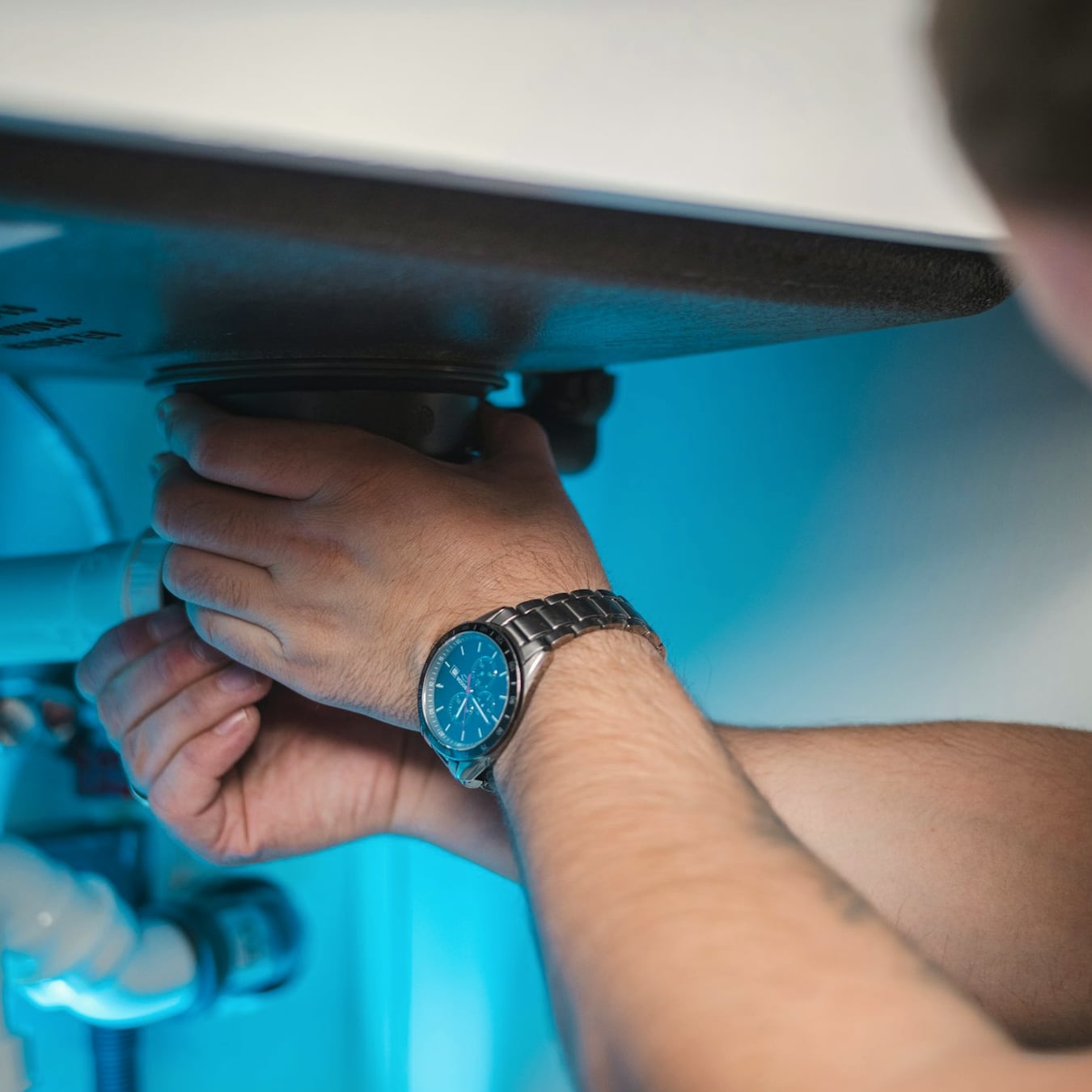
A slow drain may need a different approach from a line that repeatedly backs up. In Ingersoll, compare the symptoms, affected fixtures, and any previous clearing before deciding whether cable snaking, hydro-jetting, or a camera inspection is appropriate. If roots, grease, or an older connection may be involved, ask what evidence would confirm the cause. Photos or video of accessible cleanouts and a record of repeat blockages can help clarify the work and its limits.
Explore this serviceSend the location, symptoms, equipment and access details. State whether the work is a repair, replacement or planned project.
The request is reviewed so the responding provider can clarify the work, property access and service coverage.
Agree the provider identity, qualifications, written scope, pricing and visit window directly. Sending a form does not confirm an appointment.
Point out plaster, finished ceilings, cabinetry, and trim that may be affected. Ask where access openings are expected, how their locations are chosen, and whether patching or finish restoration is included or excluded. Older finishes can influence routing and the sequence of work, so clear scope boundaries help avoid mismatched expectations.
If a leak may be under a basement floor or along a buried service line, ask what tests can narrow its location before considering access or excavation. Confirm which section is suspected and how the location was determined. Targeted investigation can help define the repair area, while the actual route and construction affect the work required.
If the property uses a private well, check whether the sample indicates iron, sulphur, bacteria, or another concern before comparing treatment. A softener does not replace every treatment process, and UV is relevant only where testing and circumstances support it. Ask about pretreatment, maintenance, and sampling requirements for the specific system.
If the heater is rented, check the agreement for ownership, cancellation, return, or buyout requirements before arranging a replacement. Ask what documents or confirmations are needed and compare those terms with the proposed equipment and installation scope. This can prevent confusion about who owns the old unit and what happens to the contract.
If the property has mature trees near a buried lateral or an older clay connection, ask whether root intrusion is a possible cause and how it would be confirmed. Keep records of where and when backups occur. Location and pipe condition affect whether periodic clearing, camera inspection, or a more lasting repair should be considered.
Use the form to describe the property, the symptoms and the work requested. For Woodstock, Tillsonburg, Beachville, Thamesford, include your postal code so local coverage can be checked.
For a property in Ingersoll and Oxford, describe the work and access details in the form. The listed locations do not confirm a provider's travel range or availability.